


Common Mistakes to Avoid When Building an Outdoor Fireplace
An outdoor fireplace tends to promise more than just warmth. It suggests evenings that stretch a little longer, a place where people naturally gather without needing a reason. When it works, it feels effortless. When it does not, the flaws show up quickly and tend to stick around. Most of those issues are not dramatic construction failures. They come from small decisions that seemed reasonable at the time but were never fully thought through. Outdoor fireplace and chimney builders run into these patterns often, and the frustrating part is how avoidable they usually are.
Mistake 1: Starting Without a Clear Plan
It is easy to jump straight into design ideas without stepping back to think about how the space will actually function. A fireplace needs more than a good shape or finish. It needs to fit the scale of the yard, align with seating, and work with how people move through the space. When that planning step is rushed or skipped, the result feels slightly off, even if it looks fine at first glance. Outdoor fireplace and chimney builders tend to slow this part down for a reason, because once materials go in, there is not much room to rethink the basics.
Mistake 2: Choosing the Wrong Location
Placement is where intention meets reality. A fireplace that looks perfect on paper can feel awkward once it is built. Too close to the house, and the heat and smoke become a problem. Too far out, and it starts to feel disconnected from the rest of the space. Wind complicates things further, especially when it pushes smoke into seating areas that were meant to be comfortable. The right location usually feels obvious in hindsight, but getting there requires paying attention to how the space is actually used, not just how it is drawn.
Mistake 3: Ignoring Proper Ventilation and Draft
A fireplace that does not draw properly is hard to enjoy. Smoke that lingers or shifts unpredictably tends to take over the experience. This usually traces back to chimney height, proportions, or airflow that was never fully considered. These are not details that stand out visually, but they control how the fireplace performs every time it is used. It is one of those areas where precision matters more than appearance, and where experience quietly makes a difference.
Mistake 4: Using Materials That Do Not Hold Up
Outdoor conditions are not forgiving. Heat from the fire meets moisture from the air, and then temperature shifts add another layer of stress. Materials that look solid in a showroom can start to break down once exposed to that cycle. Cracks, fading, and surface wear show up sooner than expected when durability is not part of the selection process. The better approach leans toward materials that are meant for this kind of exposure and installed with the understanding that they will be tested over time.
Mistake 5: Overlooking the Surrounding Space
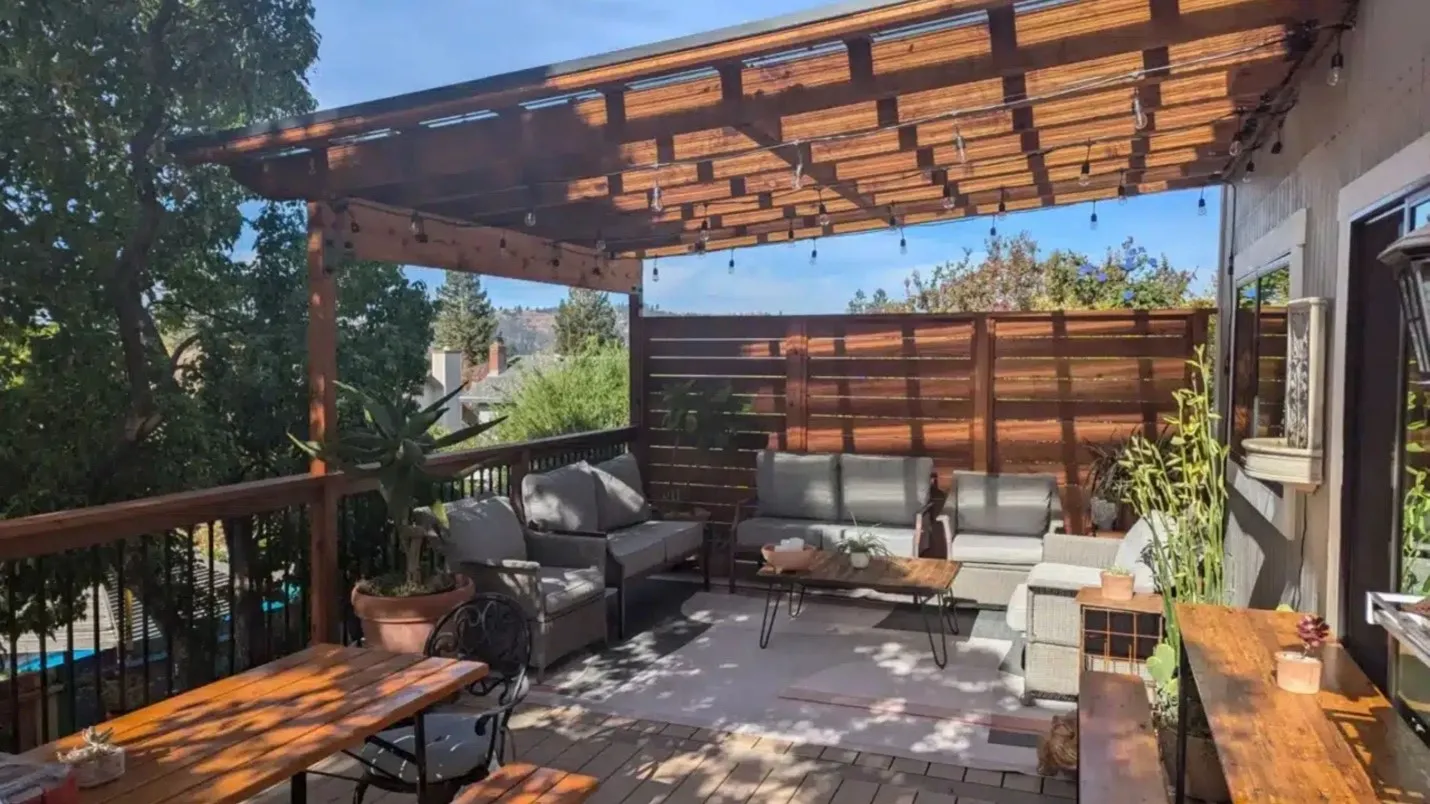
A fireplace does not exist in isolation, even if it is treated that way during planning. It becomes part of a larger environment that includes seating, walkways, and transitions between surfaces. When those connections are ignored, the space feels fragmented. This is where working alongside a deck and patio contractor tends to bring clarity, because the layout starts to function as a whole rather than as separate pieces placed next to each other.
Common Mistakes That Often Get Missed
Some problems do not announce themselves until the project is already in motion, which is why they tend to slip through:
- A fireplace built out of proportion to the available space
- Wind direction is overlooked until smoke becomes an issue
- Foundation work is treated as secondary instead of essential
- Materials chosen for appearance without considering heat resistance
- Seating was arranged as an afterthought rather than part of the design
Each of these shifts how the space feels once it is in use, and none of them are easy to correct after the fact.
Mistake 6: Rushing the Construction Process
There is always pressure to move quickly once the build begins, but that pace often shows in the details. Slight misalignments, uneven finishes, and shortcuts in structural work tend to surface later, not immediately. A fireplace benefits from time, especially when materials need to be set properly, and everything has to line up with precision. Slowing down here usually saves far more than it costs.
Conclusion
A well-built outdoor fireplace does not call attention to itself. It simply works, quietly anchoring the space and making it easier to use. When it comes to avoiding these blunders, it is not so much about doing anything remarkable as it is about ensuring that no important details are overlooked. When it comes to projects, Cajodi Construction takes this approach, concentrating on making decisions that are long-lasting and designing layouts that are logical after people begin to use the area. In the event that a fireplace is going to be a component of the plan, it is important to make sure that it is done correctly from the very beginning. Reach out today to start a conversation about what the space needs and how to build something that will actually last.